

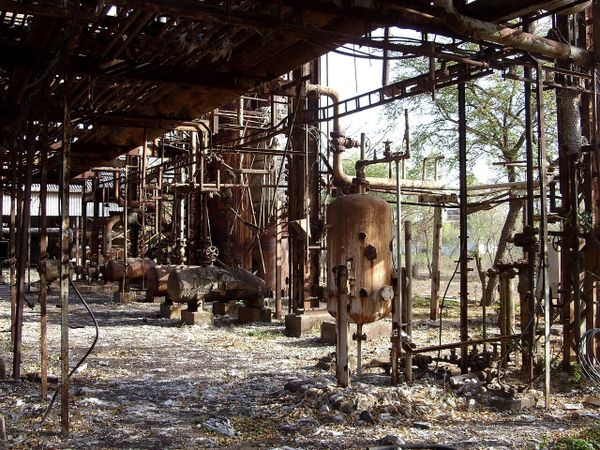
Air Travels • Shruti Iyer
It's easy to think of silicosis as a disease of the past. But even today it is one of the great workplace killers, cutting sharply along class lines.
In Issue 3, the contributors take on the contradictions of the skies—between global causes and local effects; between invisible sources of very visible harms; between complex systems and the necessity of planning; between a space teeming with life and with the noise of digital infrastructures—to ask how we might see the air around us more clearly.
It's easy to think of silicosis as a disease of the past. But even today it is one of the great workplace killers, cutting sharply along class lines.
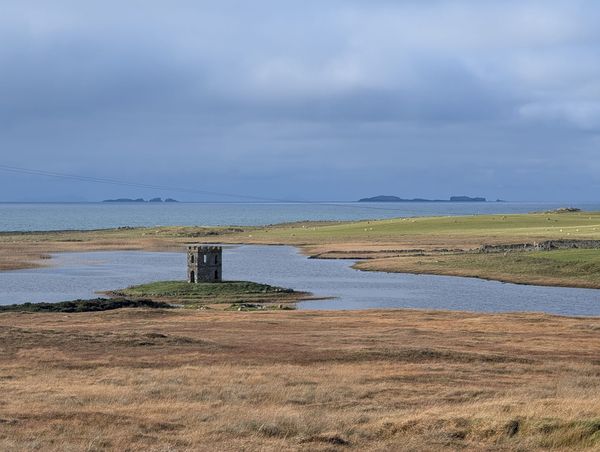
On the Scottish island of North Uist, a local fight against the construction of a spaceport captures a wider resistance to capital's occupation of the land and air.
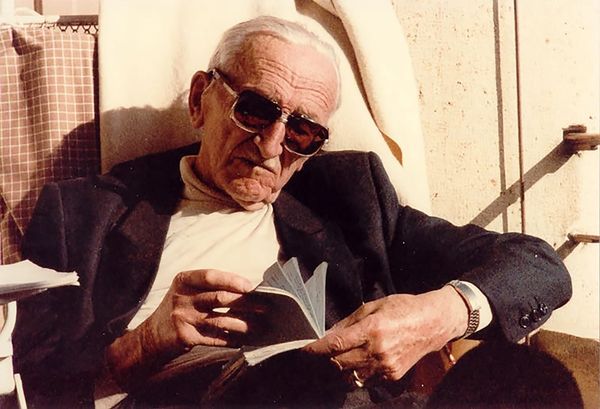
Against Friedrich Hayek’s market mysticism, complexity science points toward the need for collective intelligence and planning.
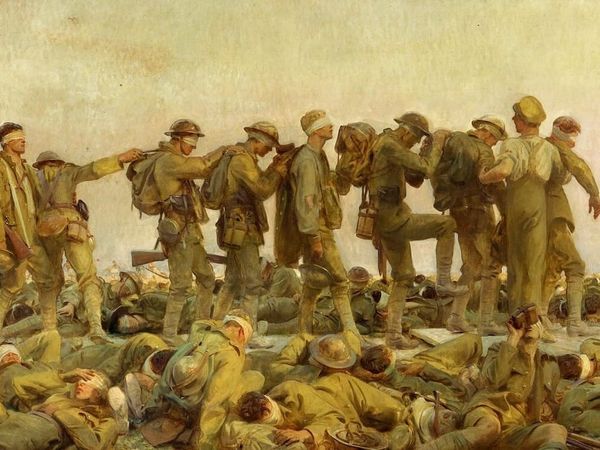
On the invention of the environment and the slow violence of the respiratory economy.
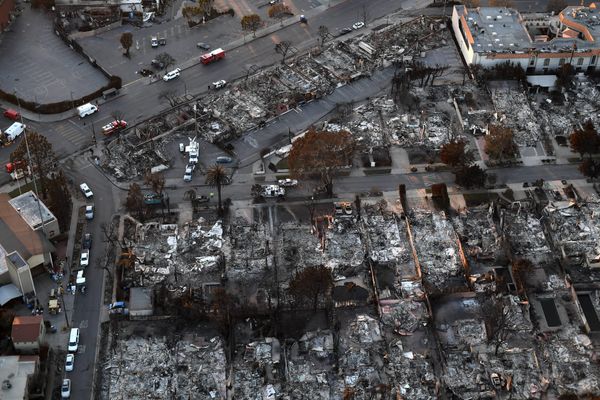
A conversation on the state of the climate movement, the paralysis of the Democratic party and the meaning of catastrophe.
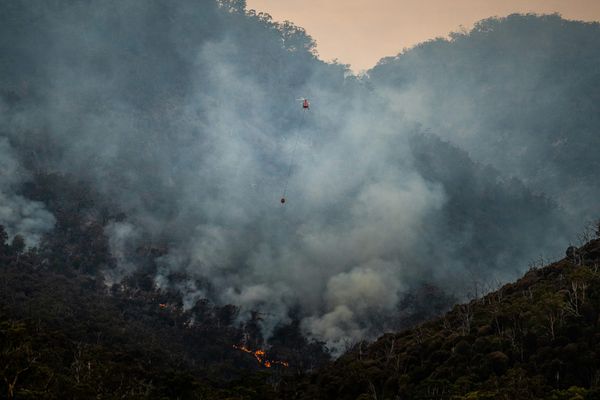
To produce a new climate in the ruins of the old, for ourselves and for the generations that will follow, we need a politics of climate repair.
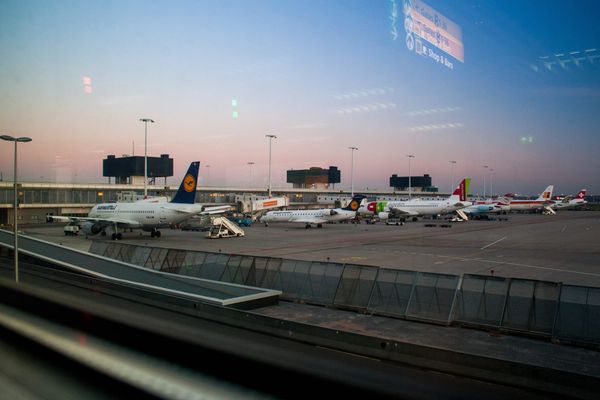
The aviation industry was built through war and state power—around politics, in other words. Building something else will be political, too.
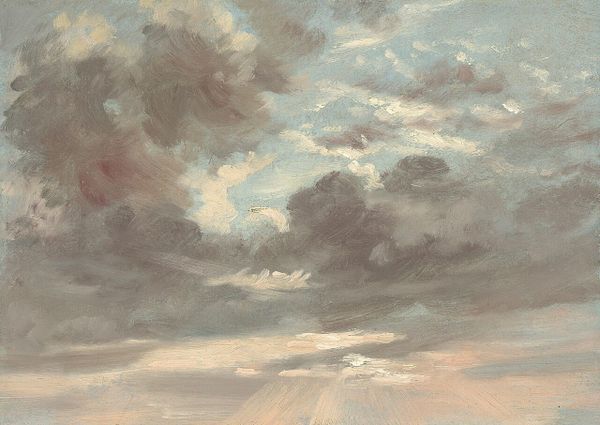
Through its ownership of cloud-computing services, Big Tech is setting the terms for how we understand the climate crisis—and how we respond.
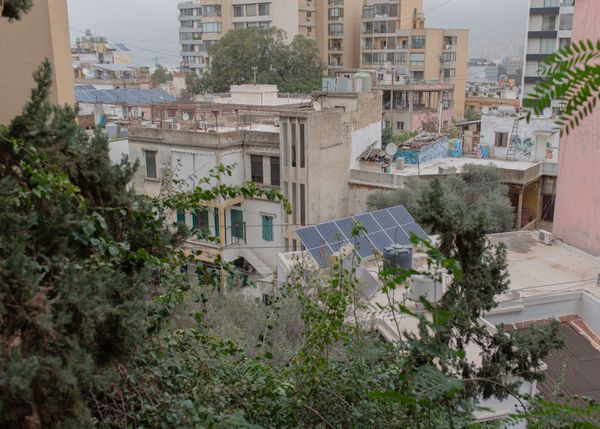
In Beirut, financial turmoil and military assualt have made access to energy uneven, and left the air thick with diesel. Now, residents are building their own clean energy future.
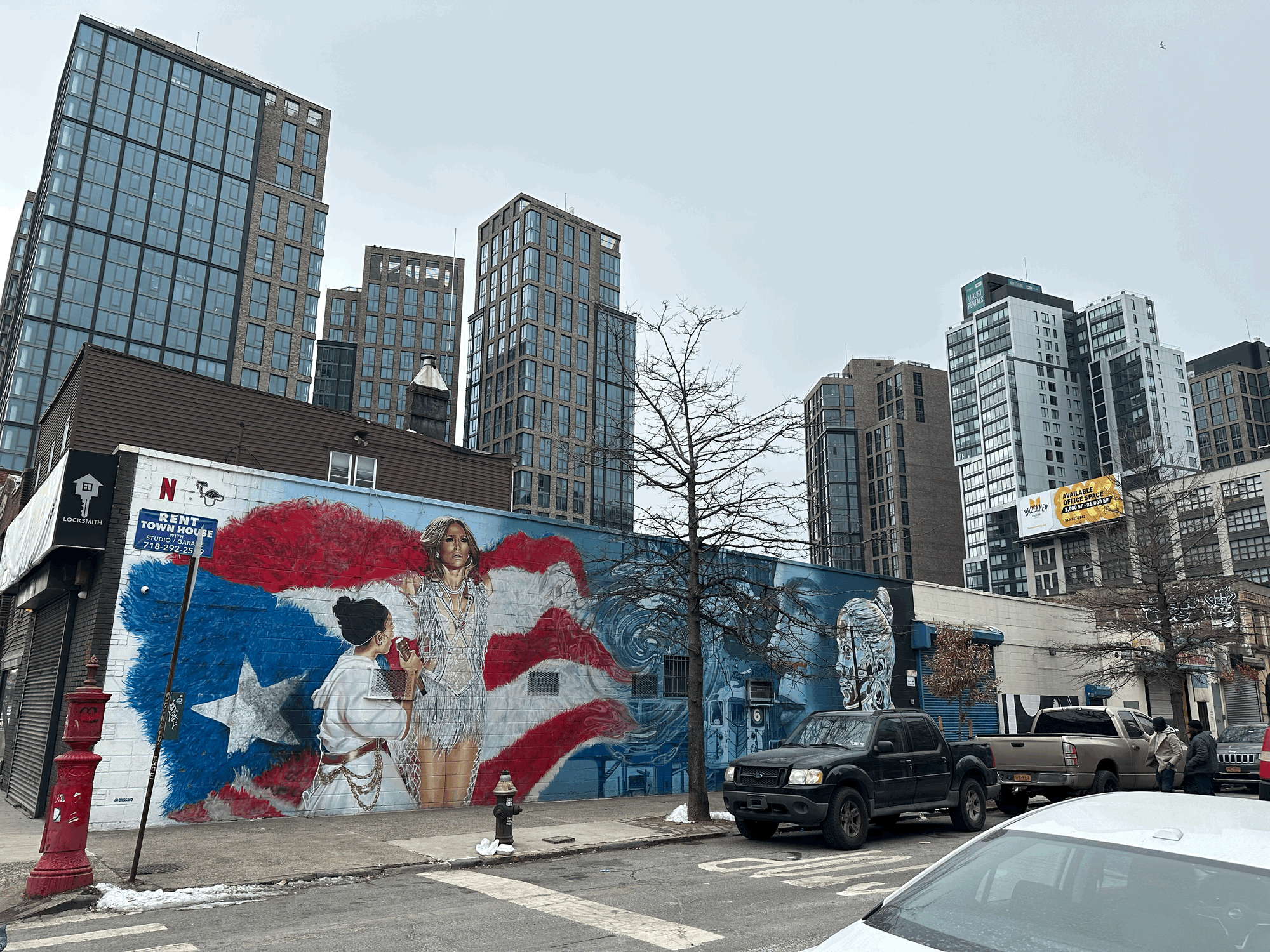
As logistics, waste and gentrification converge in the South Bronx, communities have paid the price. Now, residents are fighting back, and modelling a different kind of city.
Introducing Issue #3: AIRBORNE