

Why Climate Politics Still Matter
It is hard to pinpoint the exact moment climate change ceased to be a salient political issue in the US and Europe. The US-Israeli attacks on Iran, Trump’s re-election, Israel’s invasion of Gaza, Russia’s invasion of Ukraine, the outbreak of COVID—all are plausible contenders, acute crises that seemed to push climate change to a blurry horizon. The need to decarbonize has not diminished, but the reasons now offered for energy transition are security, freedom, dominance, affordability—anything but climate change.
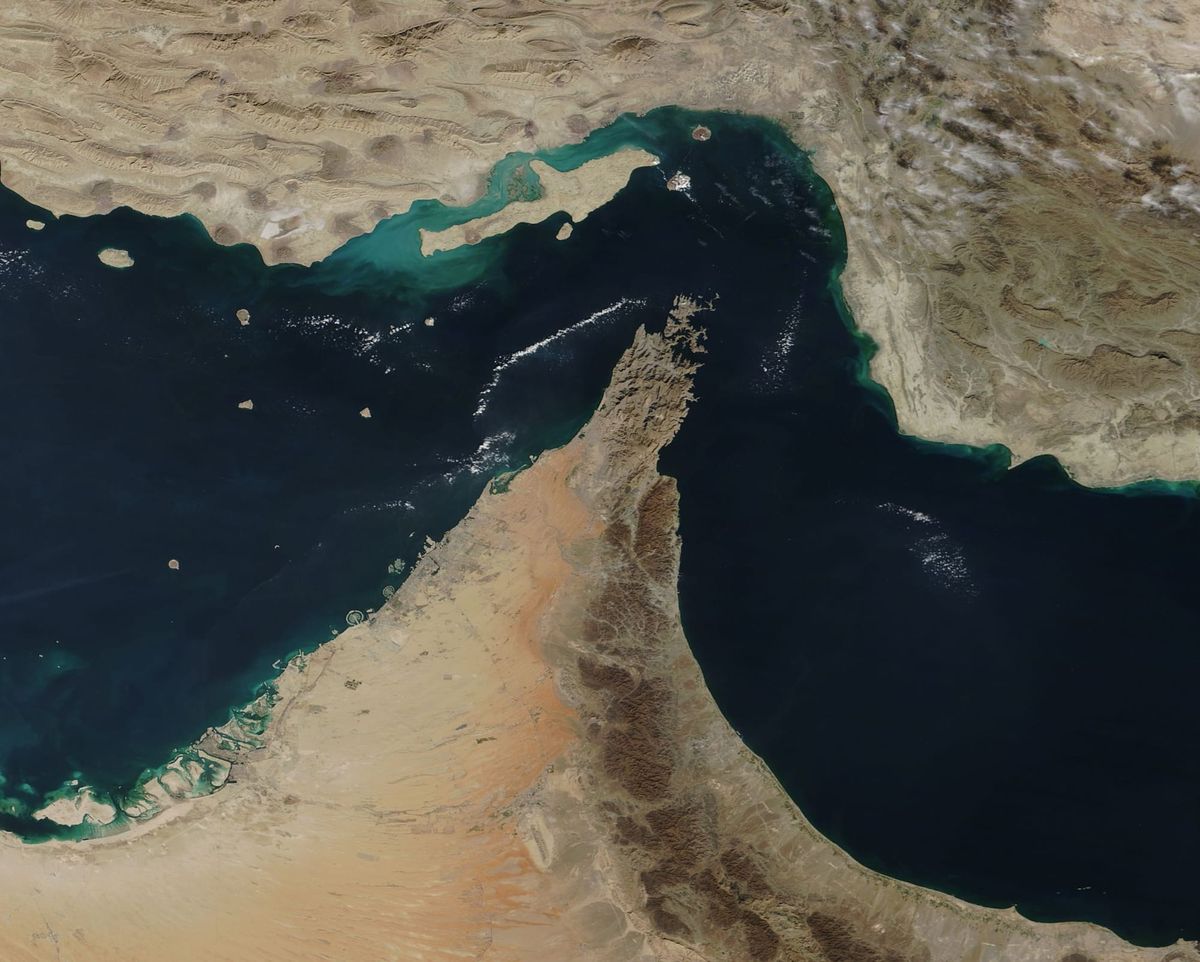
What is most striking about this rhetorical shift is the way it has been narrated as a reason to be hopeful about decarbonization’s prospects. This has been particularly pronounced since the closure of the Strait of Hormuz, quickly described as a potential catalyst for the energy transition. One consequence of the closure, Simon Mundy wrote in the Financial Times, “is likely to be an acceleration of the global shift to low-carbon energy”, or, as Bill McKibben put it in the New Yorker, states will clamour for low-cost renewables to avoid relying on an “indefensible, roughly twenty-one-mile-wide ditch” for cheap energy. Those that rely most on that ditch, mainly Asian states, have already begun to invest in renewables and electric vehicles—moves that could kick off long-term “demand destruction” for oil, as Kate Mackenzie suggests in her recent contribution. Matthew Zeitlin, likening the Iran war to the oil shocks of the 1970s—when high prices pushed France and Japan towards nuclear power, shrank cars, and spurred US investment in solar—suggests that something similar may happen today, with “ever-so-slight signs of a thaw toward renewables and in favour of an all-of-the-above strategy in the US.”
Some see an even more general truth in these signs: that the mercenary logics of national security and economic competitiveness offer stronger reasons to build renewables than concerns about climate change. As oil analyst Rory Johnston told Heatmap in March, “Energy security and affordability is a much more compelling political argument” for energy transition than curbing planet-warming emissions.
Given the urgency of moving away from fossil fuels, anything that convinces states to build renewables must be treated as a positive force. But does placing our hopes for an energy transition in the uncoordinated efforts of states to insulate their national economies from supply shocks not express a deep pessimism about the prospects of a deliberate and just response to the climate crisis?