Introducing Issue #4: CHINA • Adrienne Buller, John Merrick
A note from the editors

It’s a warm if slightly overcast morning in early February in Beirut, just a few days before the start of Ramadan. As the sun tries to peak through the overhanging clouds, the streets of the city’s southern neighbourhoods are calm. But near the Sayed Al Shohdaa Mosque, in Haret Hreik, a densely populated area heavily bombed by the Israeli army in 2023, the air is heavy, especially around the two large generators humming nearby.
These machines not only weigh on the air, but also on the ears. It begins with a splutter, a metallic choke and a guttural growl, as the engine starts, thick and oily, before settling into its relentless drone. The pitch is low and grinding, a diesel thrum that vibrates through concrete walls.
In a small street next to the mosque, Zeinab Bazzi and her husband welcome customers into their small, brightly lit shop selling mobile phones. Like many people in Beirut, the couple rely on the private diesel-run generators for their electricity, for the shop as well as for their own home, only a stone’s throw away. “We would like to talk to you about the air pollution in Lebanon, and the generators…”, we say, introducing ourselves. The couple look at each other and exchange a nervous smile. Their electricity bill, they tell us, is around USD 230.00 a month: 200 for the generator and 30 to the state-owned electricity provider, Électricité du Liban (EDL). Often it is higher still. For them, as for many others in Lebanon, where the average salary is around a thousand dollars a month, this places a heavy strain on their budget. As a Human Rights Watch report from 2023 found, generator bills take up about 44 per cent of the average family’s monthly income. It is twice that for the country’s poor.
“We feel like we’re suffocating because of what is inside the air. It’s not normal,” Zainab says as customers come and go, buying top-ups for their mobiles. “It affects our health, and especially our children’s. After the war, it feels like it’s gotten even worse. There are the generators, but on top of that the aftermath of destruction”.
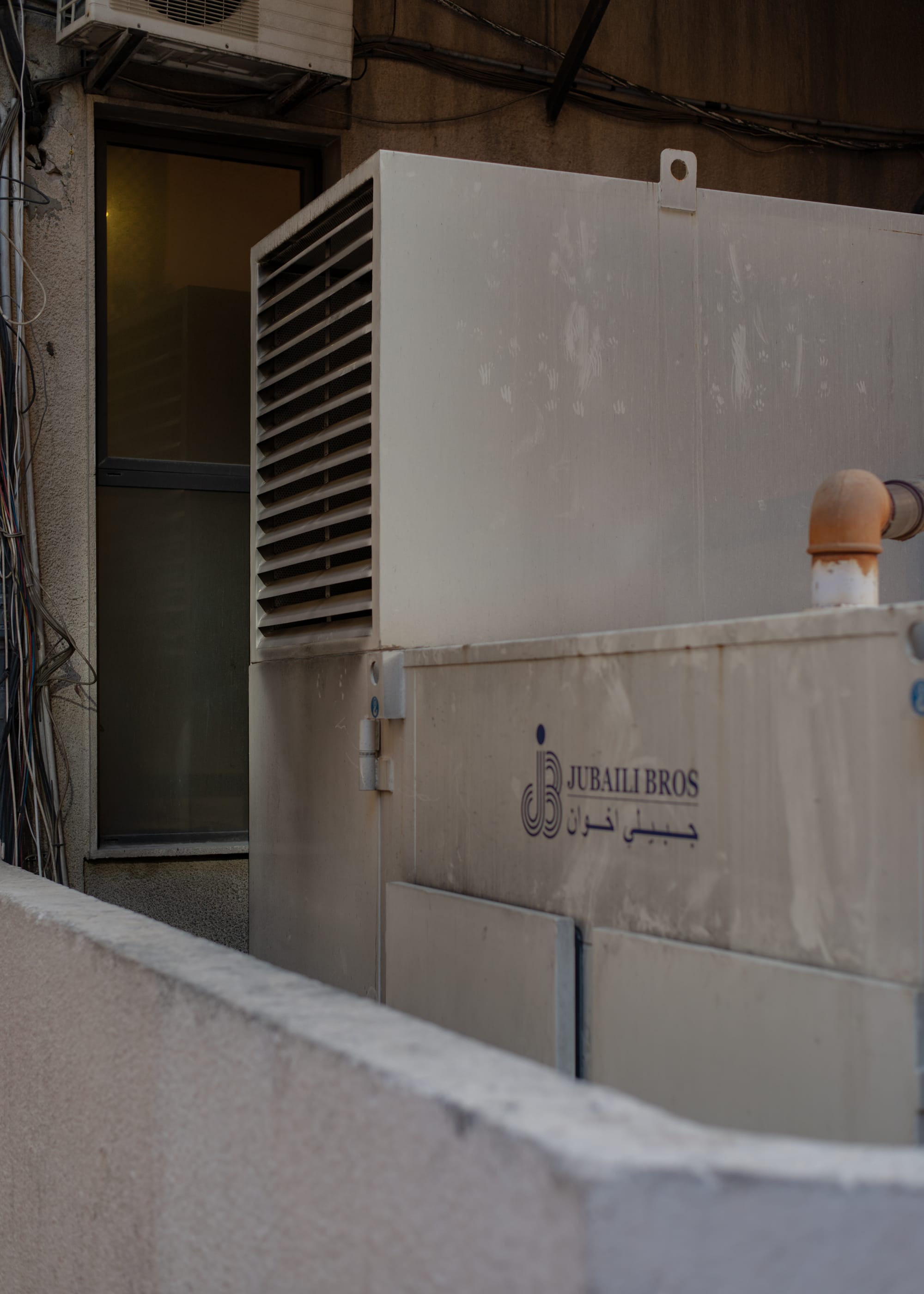
Air pollution is a sensitive topic in Lebanon, especially when it comes to the estimated 35,000 generators that operate throughout the country. Many are owned by private companies, which can charge customers hundreds of dollars a month for their use, and not always for even a full days’ worth of electricity. Lebanese regulations, notably Decree No. 40 issued by the Ministry of Economy in 2021, and reaffirmed by subsequent Cabinet decisions in 2025, requires private generator owners to install individual electricity metres for all subscribers, and to bill them based on their actual consumption. Yet, despite the threat of fines and legal sanctions, enforcement remains uneven.
Many people refer to the generator companies as a kind of “mafia”. In the absence of reliable state electricity, such companies operate as de facto monopolies within neighbourhoods: setting prices, imposing conditions and at times resisting regulation with little effective oversight. The combination of high costs, uneven compliance and limited consumer recourse has fuelled a widespread perception that the companies can act with impunity, operating in a cartel-like manner.
This fragmented and unreliable electricity system makes life for residents difficult. At a national level, there is a single public utility, the state-owned EDL, which is supposed to supply electricity to the whole of Lebanon. But decades of underinvestment and political interference, and the severe financial and banking crisis that began in 2019, which triggered a currency collapse, state insolvency and fuel shortages, have left the national utility unable to maintain stable supply. Most of the generation and transmission infrastructure is old and poorly maintained, while much of the fuel used for electricity generation is imported into the country, which together with the country’s recent financial turmoil has led to repeated fuel shortages, further reducing supply.
This neglect of infrastructure stems from decades of political deadlock and sectarian power-sharing arrangements, which have turned the electricity sector into a site of patronage rather than of long-term planning. Successive governments failed to approve or implement comprehensive reform plans, while tariffs were kept artificially low for political reasons, leaving EDL heavily subsidized and structurally loss-making. After the 2019 financial crisis, the state effectively lost the fiscal capacity to invest in grid maintenance, fuel procurement and new capacity, accelerating the deterioration of already aging plants and transmission networks. Power plants now operate below capacity and breakdowns are common. In many areas, EDL can only provide a few hours of power a day.
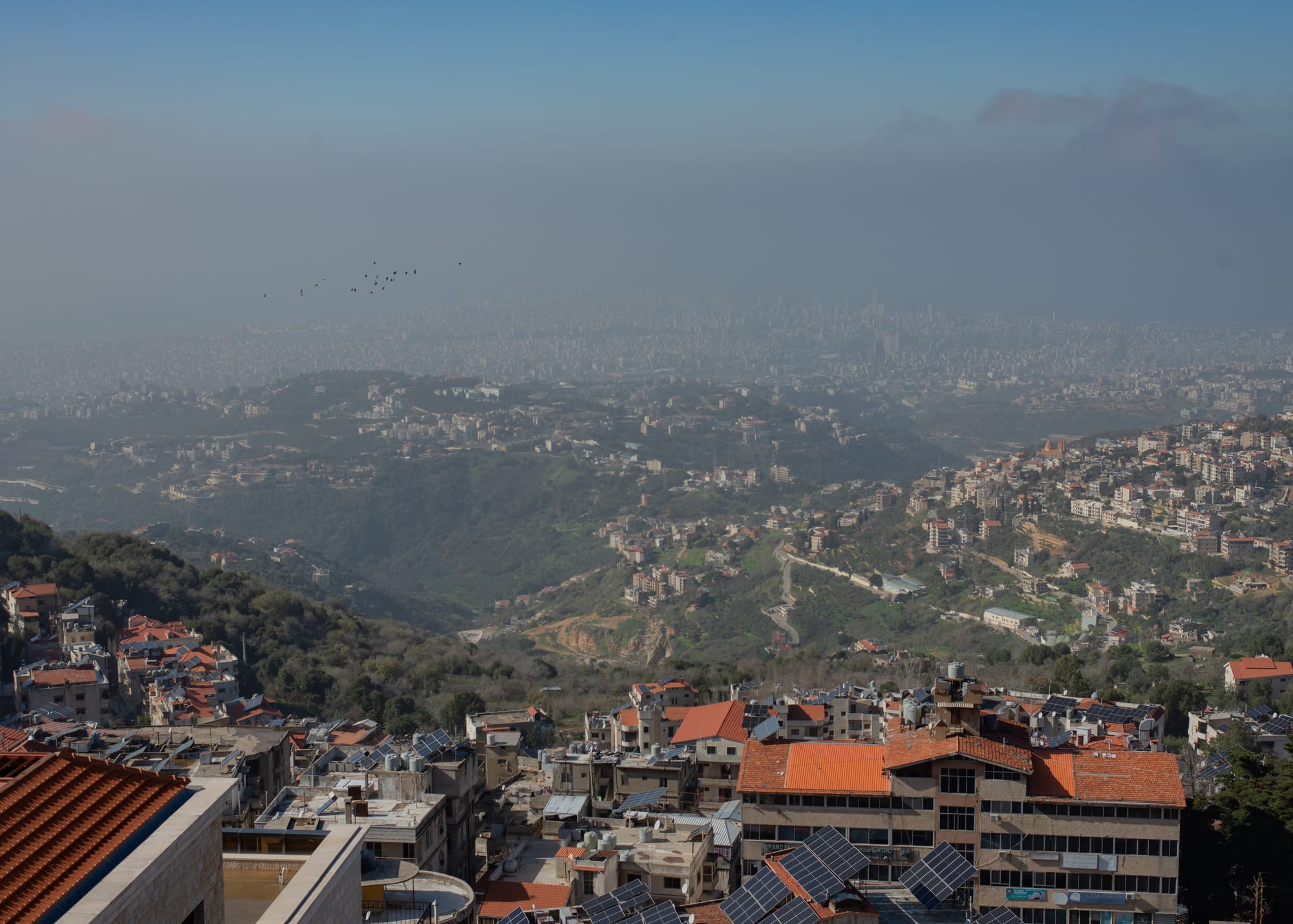
Greater Beirut has a population of roughly 2.4 million people, and most of its households rely heavily on private generators. Exact percentages vary by neighbourhood and income, making it difficult to get any sort of reliable estimate, but generator dependency is pervasive. All of which is not only costly and environmentally damaging, but also causes high levels of both noise and air pollution. For many years, Lebanon has endured a worsening environmental crisis, with high levels of air pollution, poor water quality and mismanagement of waste and traffic congestion. In 2024, Lebanon’s annual carbon dioxide emissions reached more than 15 million tons; while its greenhouses gas emissions are equivalent to 38.6 million tons a year. The largest contributor to this is electricity generation.
Around 75 per cent of the Lebanese population lives in its coastal cities, places like Beirut, Jounieh and Tripoli in the North, and Saida and Tyre in the South. “The more people we have, the greater the need for electricity within a very small surface area,” explains Dr. Najat Aoun Saliba, a former atmospheric chemist who now sits as a member of parliament. It is this, she says, that has led to the “huge density of diesel generators”.
Zeinab’s home was one of many in the country that damaged during the recent war, which began after the Hamas attack on Israel on 7 October 2023.[1] This escalation triggered ongoing fighting in the region, which has resulted in over 4,000 deaths and the displacement of more than a million people in Lebanon and surrounding areas. In parts of Beirut, the destruction left behind a thick white dust. “I see this dust every day, there is a lot of it,” Zeinab tells us. Many residents think it is having a detrimental effect on their health. “That there are a lot of headaches. It has become part of our everyday life.” “We have no choice but to accept living like this,” she says. “We must go on with our life.”
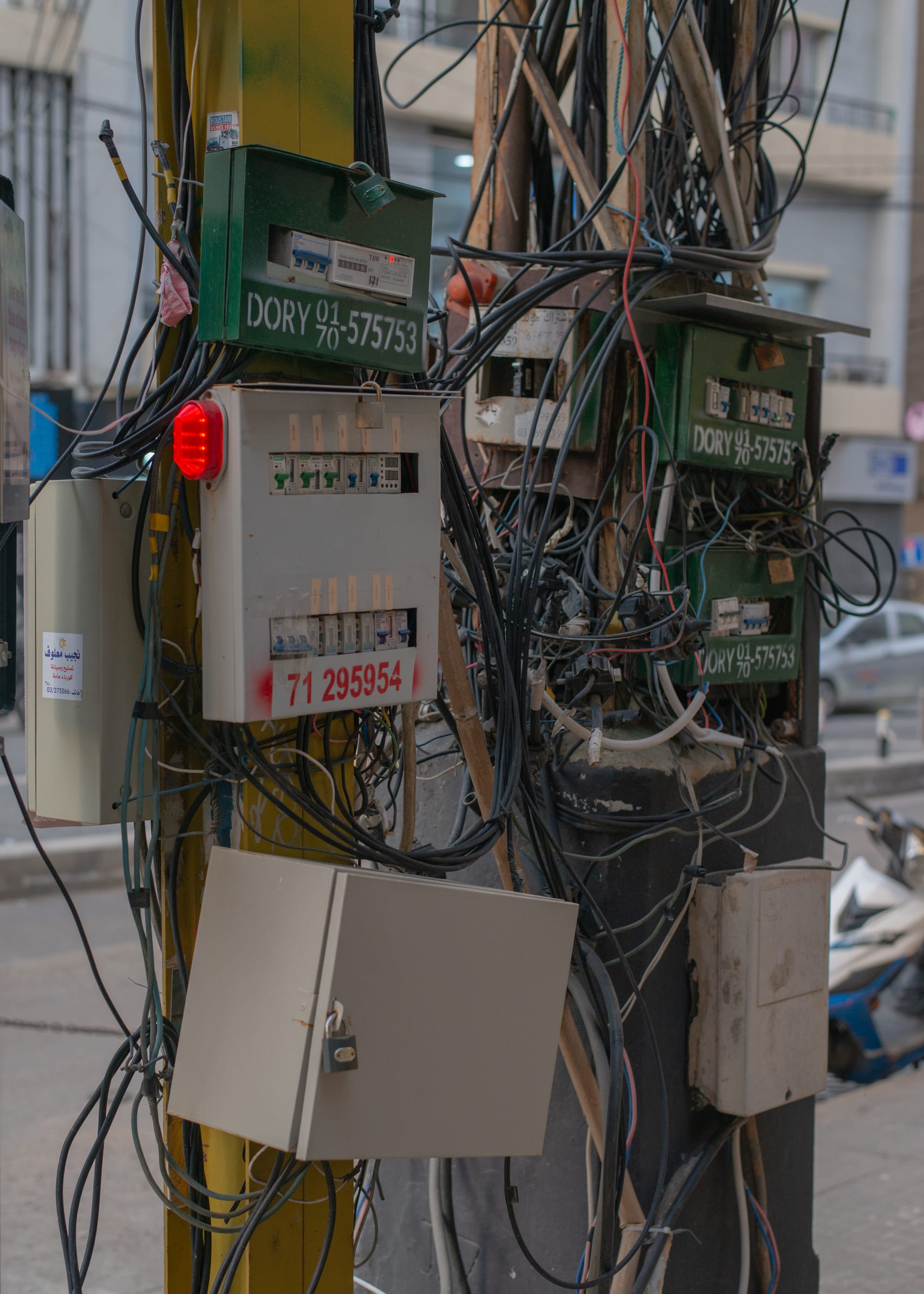
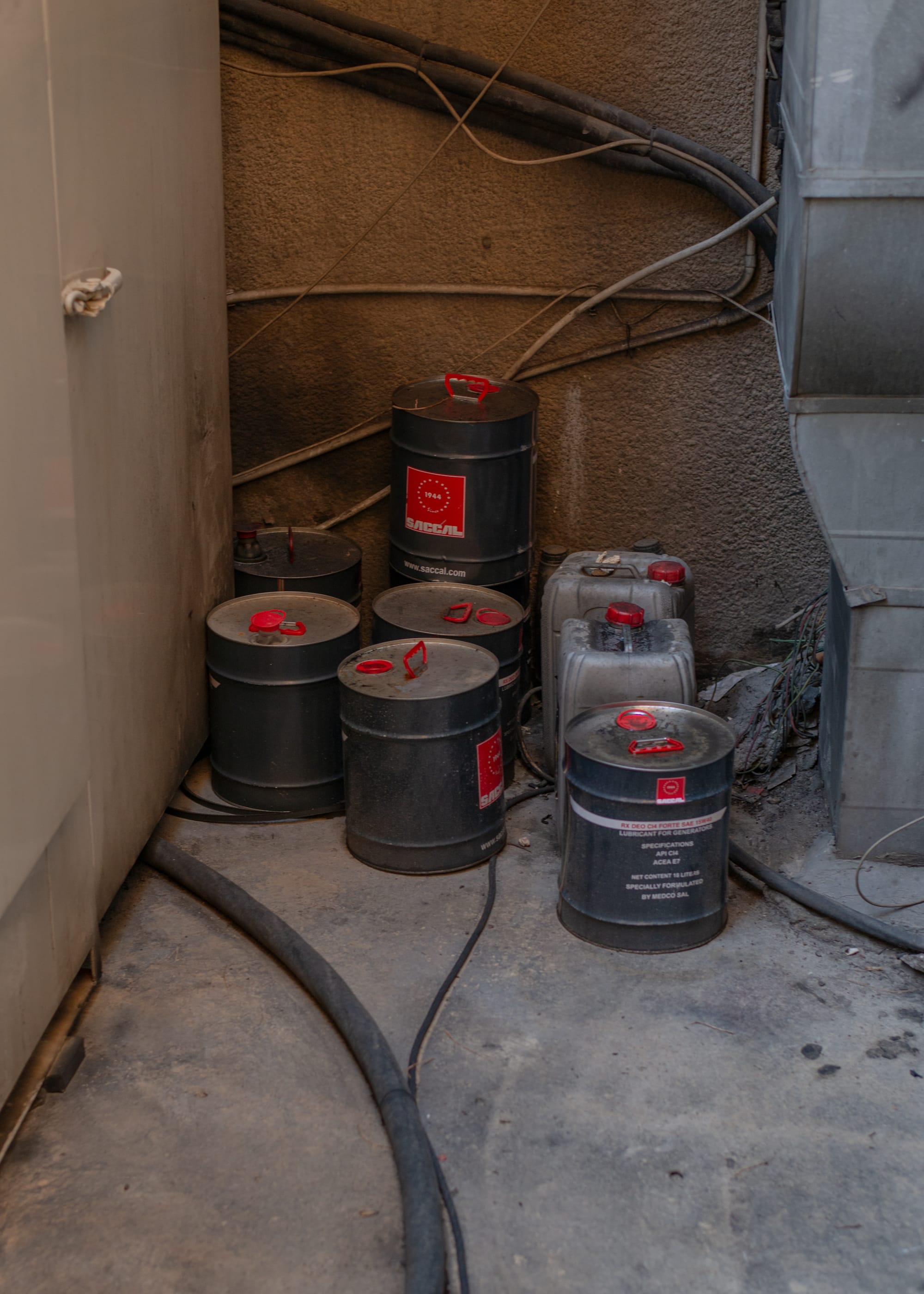
Electric meters on the street, in Gemmayzeh neighbourhood. The red light indicates that the current source of electricity is the state’s one (left). Lubricant for generators, near a generator in a residential building in Hamra neighbourhood (right).
According to a 2025 study funded by the American University of Beirut, diesel generators are a major factor in the city’s very high level of particulate matter pollution. The safe limit for particulate matter, as defined by the World Health Organisation, is five micrograms per cubic metre, while the daily average should not exceed fifteen micrograms. In parts of Beirut, however, studies have shown that those levels range between 20 and 30 micrograms per cubic metre. As Saliba explains, levels this high can lead to increased incidents of pulmonary, respiratory and cardiovascular problems, even to diabetes and cancer. A separate study, meanwhile, which examined diesel exhaust particulate matter emissions from two midsize generators in Beirut, found that 87 per cent of emitted particles were classed as quasi-ultrafine, a type of particle that can reach deep inside the lungs, entering the bloodstream and harming organs throughout the body.
One of the issues facing researchers in the country is that Lebanon lacks a fully operational, state-supported air monitoring network. “Up until 2023,” Saliba tells us from her office in Badaro, only a few kilometres away from Zainab’s shop, “we found that one carcinogenic material called benzo(a)pyrene has doubled from 2010 all the way to 2023.”
After years of advocacy—including after she entered Parliament—Saliba says a decree regulating diesel generators was revised and enforced. Owners must now install cyclone filters and sound barriers, and store diesel safely. In eastern Beirut, in particular, compliance has led to some improvement. Yet challenges remain. “It was not as easy, because the generators’ owners were also the corrupt people, selling the diesel and refusing to comply”. This “diesel generator mafia” is now worth in the region of four billion US dollars.
The air outside Zeinab’s shop is thick and carries a strange smell, a mixture of rubbish, generator fumes and traffic exhaust. In Haret Hreik, the area of Beirut where Zeinab lives and works, the local generator owner recently installed a filter. “We can smell the difference: not as much mazut [a low-quality heavy fuel oil], as before, but I think the pollution is still here.” The real issue, though, she says, is the lack of a functioning state:
There is neglect, pollution, disease. We are already paying. The problem is not the citizens; the problem is the state. We pay, and we keep paying. They should stop making us bear the blame. Take the money, improve the services, work in the citizens’ best interest.
Her neighbour, Mohammad, 50, who owns a small grilled chicken restaurant, tells us that each month he pays between USD 500 and 800 for access to energy from a generator, and USD 25 for state electricity. The latter gives him just two hours of electricity per day:
They put filters on the generators, but no matter what they do… If you go up the mountain and look at Beirut and the suburbs, you see black smoke. Before, it was mostly the cars. Now, it’s the generators, the factories, everything. You can smell it; the air is saturated.
A motorbike speeds past, trailing black smoke. Mohammad points: “This is also a big problem.”
In the alley in front of his restaurant, the wind plays with the leaves on the few surrounding trees, as the sun filters across the buildings. “We need to plant more trees: trees absorb pollution. But we cut them instead of increasing their numbers”, he explains, before going back behind the counter.
A few steps away, Bassem Qoessi oversees production in his dessert and ice-cream shop across from the mosque. Electricity bills, he says, can reach as high as USD 7,000 in summer, almost all of his current revenue. “Right now, I’m only working to pay my electricity bill. My business is one of those which require a lot of electricity…”. In front of him, two of his employees are making mhalabieh, a dessert made from rice and milk. The workshop is filled with the sweet smell of orange blossom, bathed in the background hum of the refrigerators. “We are in 2026! The civil war has been over since 1990, and there is still no electricity for a population of 4 or 5 million people! This is the biggest catastrophe.”
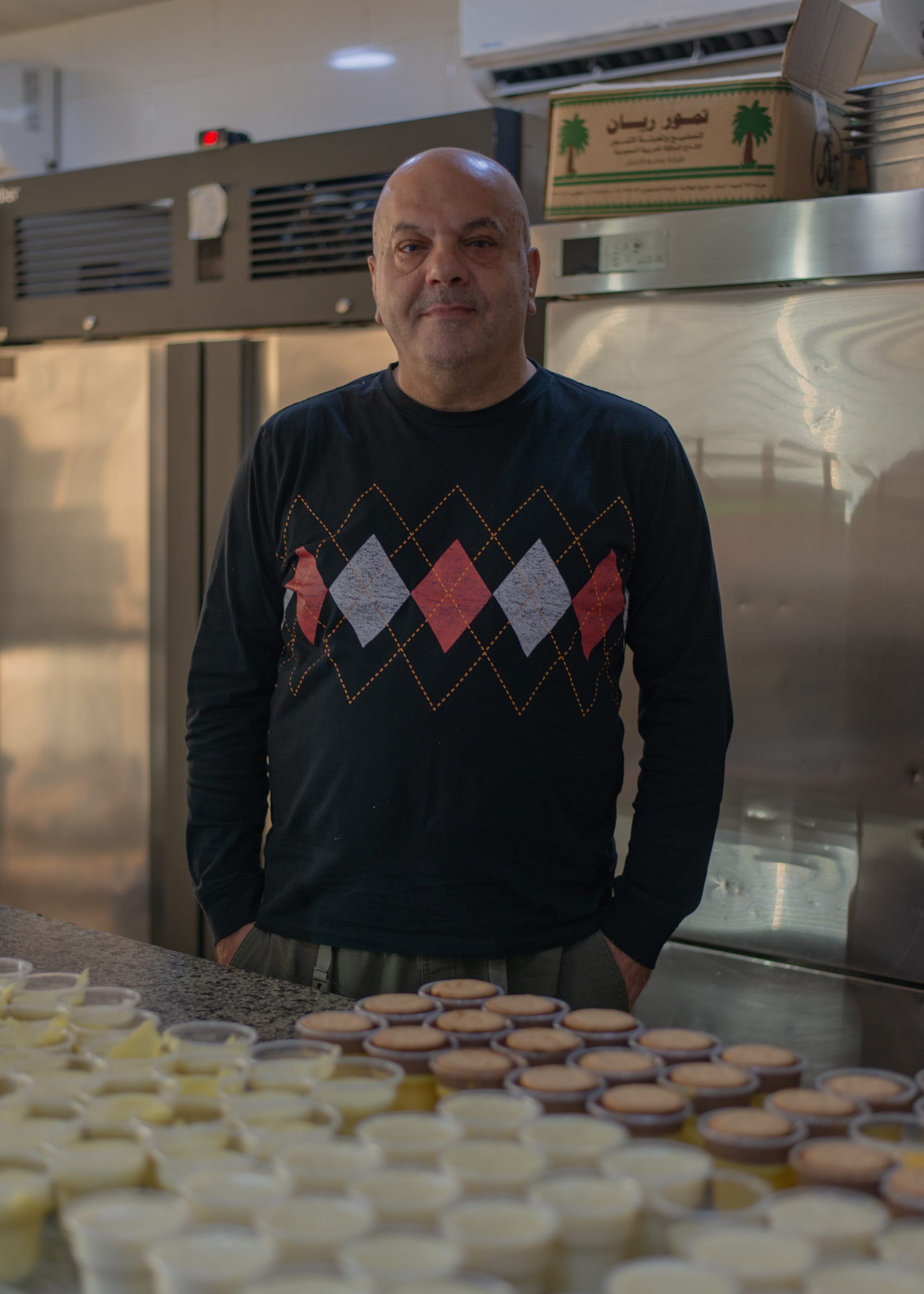
The lack of electricity in the country, Bassem says, is a political problem. There are people in Lebanon making profits from the energy crisis, but they are few in number. It is increasingly difficult to make money from these small restaurants now, particularly since the beginning of the latest round of conflict between the Hezbollah and Israel started in 2023. “Last month, I had to remortgage my property to pay the electricity bill. Everyone is responsible: the state, the political forces, the parties. They are all contributing to the exhaustion of the people. When fuel prices rise, it affects transportation, and then everything else goes up”, explains Bassem, who is now on medication for anxiety. As for the air pollution, he blames it on multiple factors: quarries, traffic… “But, of course, generators are a bigger problem since they are in the middle of residential areas.”
Outside, the call for prayer begins. As usual, the traffic is heavy. To reach our second destination, the Hamra neighbourhood, northwest from Haret Hreik, takes us almost two hours; there are protests in downtown Beirut against new fuel taxes, making the traffic even worse than normal. In Hamra’s narrow streets, the traffic is gridlocked, the dense humidity mixing with rising petrol fumes.
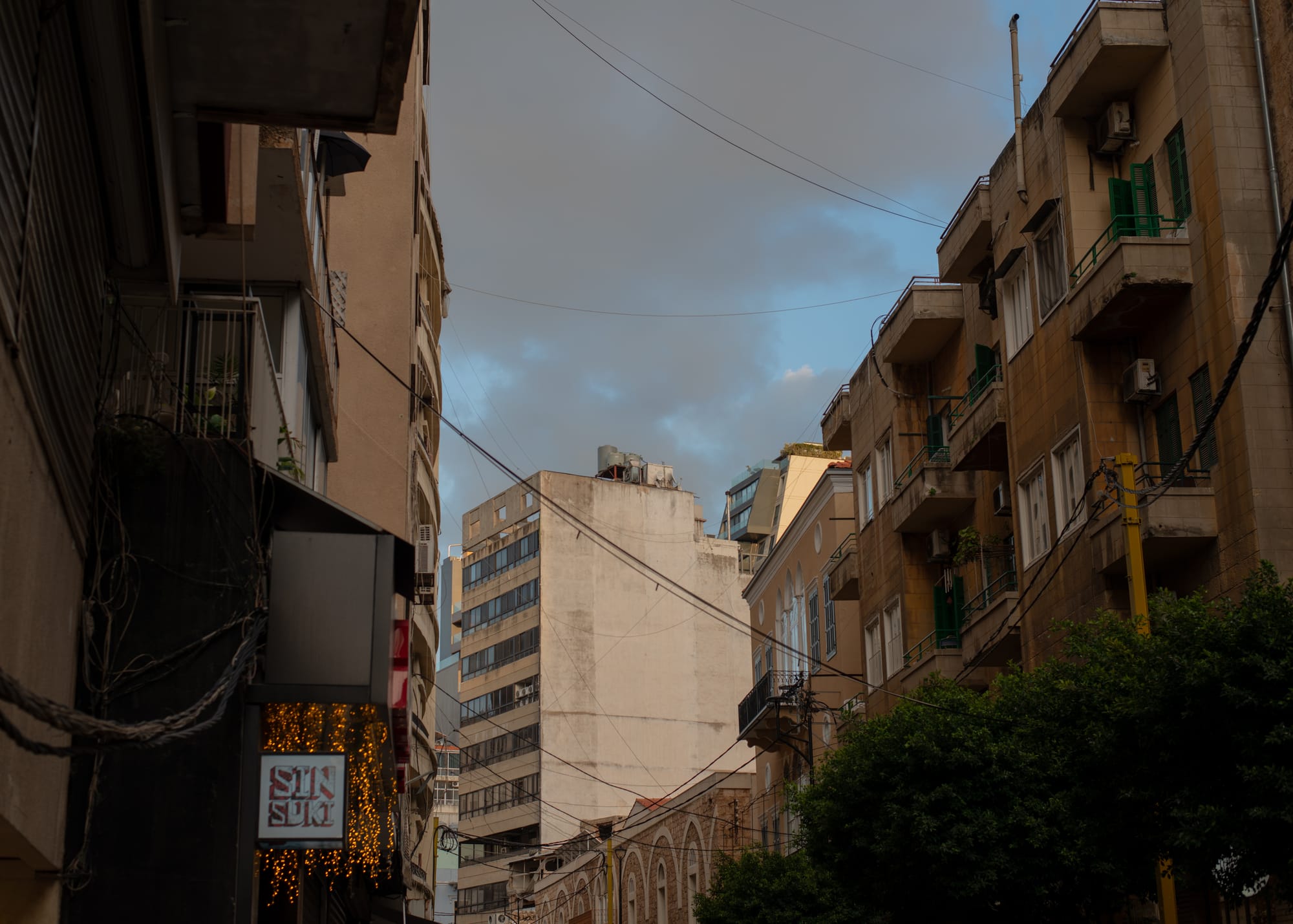
Saliba has been conducting research in this neighbourhood for the past few years. Between 2017 and 2023 she found that the contribution of diesel generators to air pollution rose from 34 per cent to over 50 per cent. “When generators were running more than 12 hours a day, they contributed a lot of carcinogenic materials and over 50 per cent of total air pollution,” she says. Traffic, as ever, is the second largest contributor.
Assana, who lives in one of the area’s expensive apartment blocks, has been living in Hamra for more than twenty years. Every day she wipes black dust from her apartment’s windows.
A few blocks away, Adnan is finishing painting a building a light pinky-orange. A Syrian refugee, he arrived in Lebanon almost twelve years ago with his family of four after fleeing from the Assad regime. Now he’s a concierge and oversees the maintenance of the several fancy buildings around us. Each, he says, has its own large private generator. “As you can see, there is one here, one behind and one inside… We are surrounding by generators!” His work requires him to be on-site all the time. In return, he is given a small apartment on the ground floor that he shares with his family. Immediately adjacent is a generator that runs nearly twenty-four hours a day. “We can see the smoke, this black smoke,” he tells us. “This is very scary: some days, we can’t even hang our clothes outside to dry. And there is always the noise, this is pollution as well”.
Adnan excuses himself for being “dirty”; this, he says, is his working outfit. He looks at the building in front of him and us shows black stains that cover the walls. On the ground floor another large generator hums.
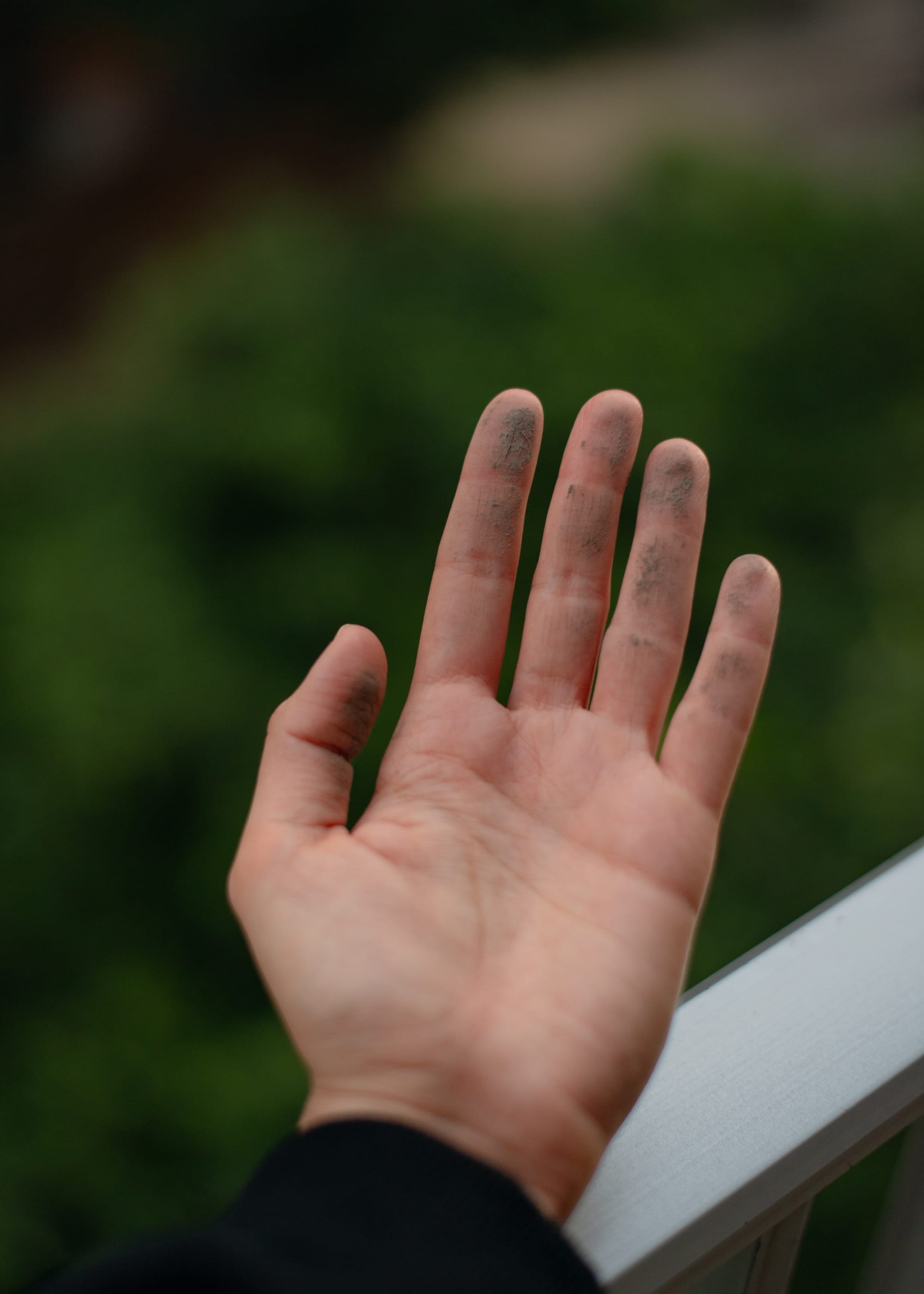
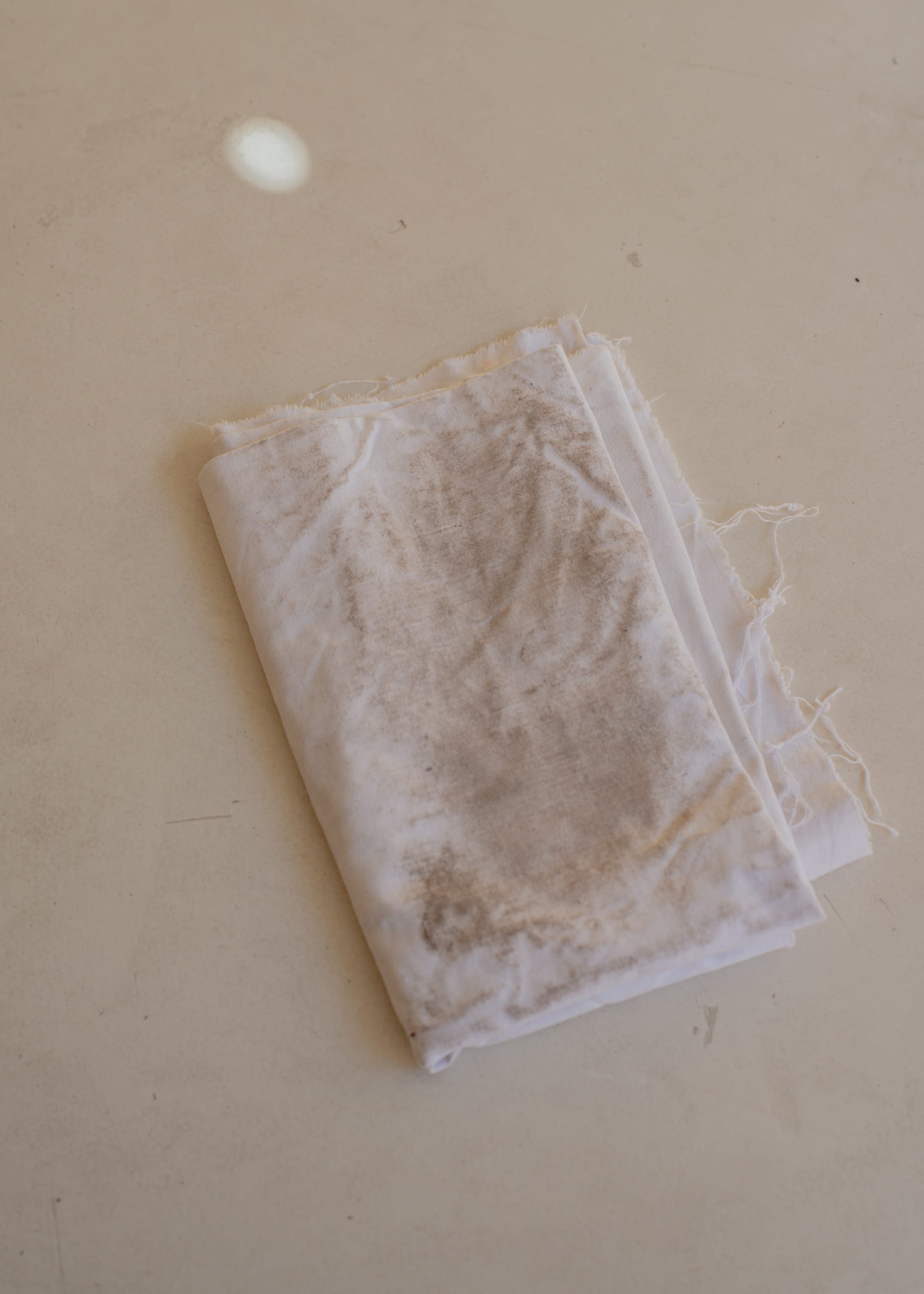
Dust from a balcony in Gemmayzeh.
Hamra alone has nearly 470 generators, servicing its nearly 9,000 residents. Citizen’s assemblies organized by a local NGO Jibal, which specializes in environmental justice, have sought alternatives. “We had 35 participants,” says Angela Saade, Jibal’s project manager. “The question was: how do we collectively reduce the electricity burden on our finances and on our physical and mental health?” Starting from this question, people began drawing up new ideas for community-based solutions for alternative energy, ones affordable for everyone. Of course, in practice, this would take some time to implement. But, she says, “through this, we can already see the need for justice.” Many of the participants came with recommendations for improving the state’s role in energy: rebuilding grid infrastructure, for instance, in order to add renewables to the mix.
In Hamra, slowly but surely, a revolution has begun to spread. Now, glistening from the rooftops are solar panels. Local committees took the lead in their installation, and investment was gathered collectively, without the involvement of the state. Most of the committee members also joined Jibal’s citizen assemblies.
One of those was Jumana Nasser, an engineer who we meet in one of cozy local coffee shops in Hamra. In the background, a Fairouz song is playing, drowning out the generators’ hum. When the crisis hit, followed shortly after by the war in Ukraine, further inflating energy prices, she, along with several of her neighbours, began the process of installing a solar panel on the roof of her building. It took time, she says, and they faced many challenges and long hours of debate and discussion, but the plan was finally realized in 2023. “That’s when I started to think that this might be a bigger project. So, we started to talk with other owners, and we showed them our installation.” “As citizens,” she says, “we are always asking ourselves what the state is doing for us. But we also need to ask ourselves: what can we do for ourselves too?”
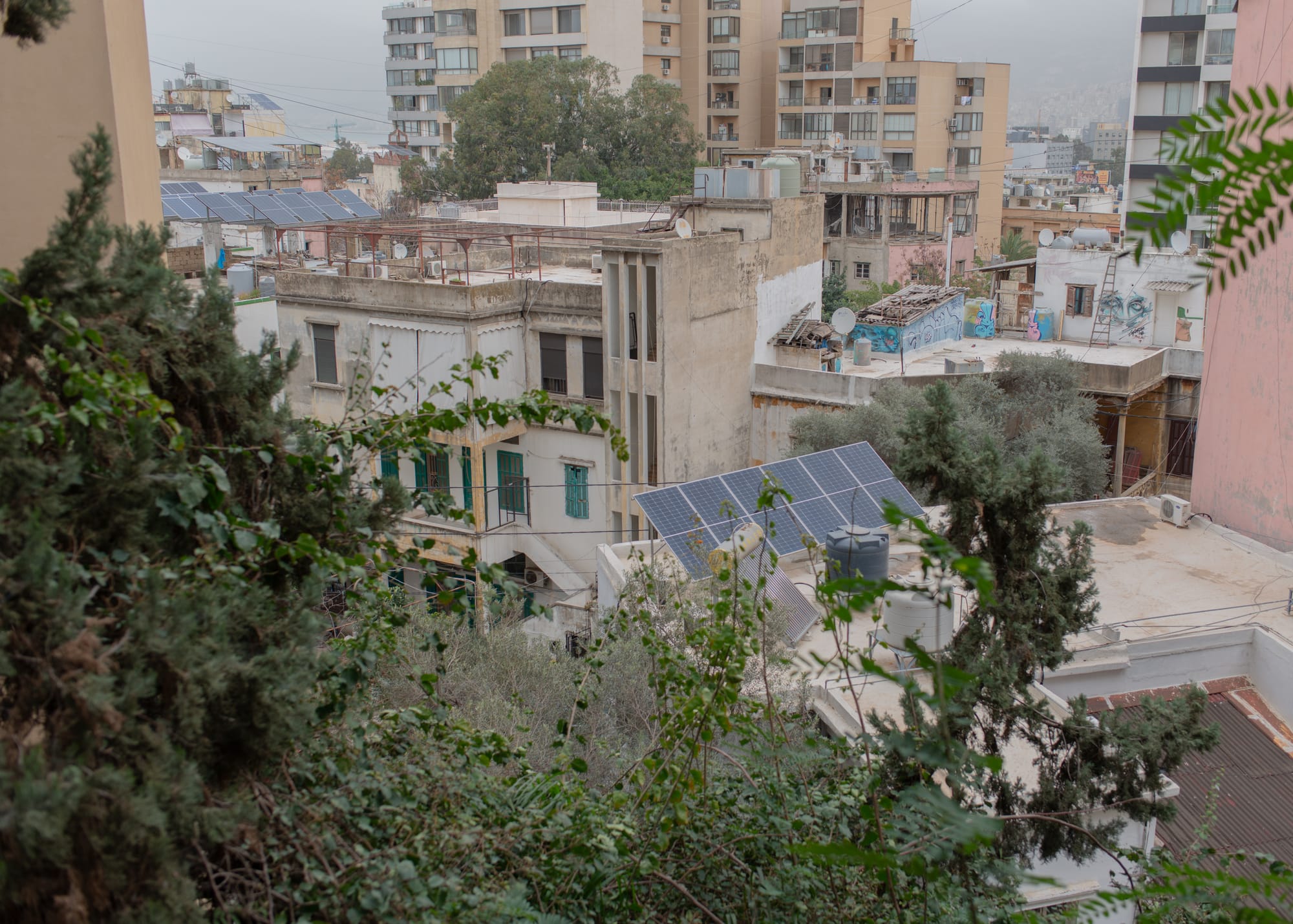
Their plan was a simple one: since the apartment owners own and operate the generator, could they not simply switch over to a renewable supply? They have had to keep generators in reserve, which they now run when there is not enough sun for the solar panels. Still, for around eight months a year it is the sun that generates the building’s electricity. In doing so, they reduced their electricity bill from around USD 56,000, which gave them twelve hours of electricity a day, to now just USD 24,000, for 24 hours supply.
“There are other benefits, like cutting pollution, too,” Jumana says. “Every time we get rid of a generator, this is something”. Now she hopes to convince other generators owners to switch to solar panels. Discussions are ongoing and Jumana hopes to see a change in the energy system. Like Zeinab, Mohammad, Bassem, Assana and Adnan, she hopes that one day Lebanon’s clear blue sky will no longer be clouded by smoke.
Amélie David is a freelance journalist exploring topics related to climate change and the environment. She is based in Beirut, Lebanon.
Ségoléne Ragu is a French-Lebanese photographer based in Beirut, Lebanon, documenting the consequences of the economic crisis and war on daily lives.
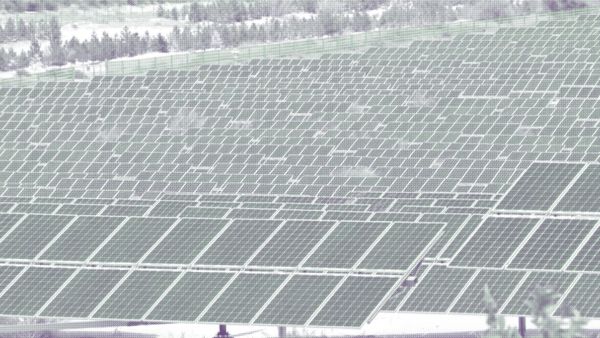
The challenges and contradictions of the energy transition collide in the Inner Mongolian city of Ordos.
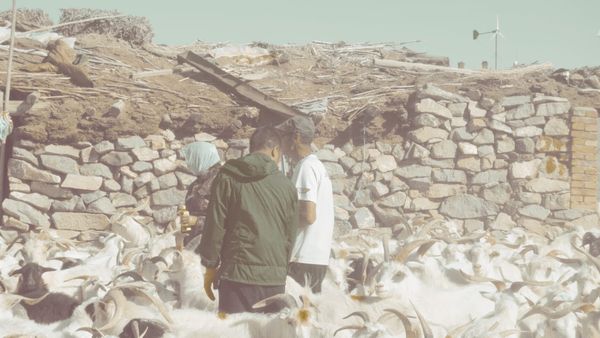
The fate of herders in Inner Mongolia shows that to understand China’s big green state, we must see it from the margins.
Is China's green technology revolution a model—or a warning?

Acclaimed novelist Yan Lianke reflects on the cost of progress in rural China. Translated by Jeremy Tiang.
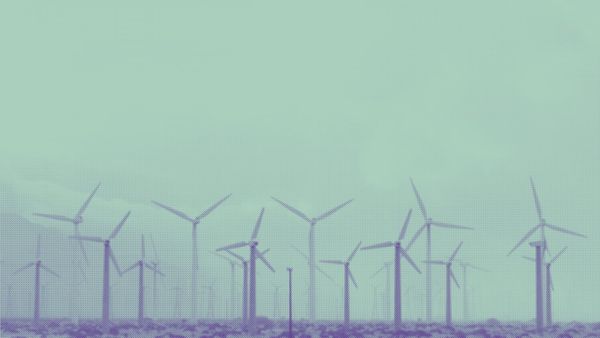
Rather than taking up the mantle of "climate leadership", China is walking a mundane path to global transformation.
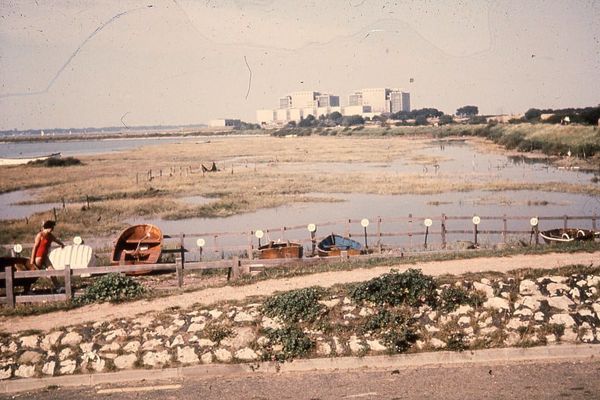
At a remote Essex chapel shadowed by a dormant nuclear plant, a battle over a new reactor is reshaping old conflicts between conservation, community and state power.
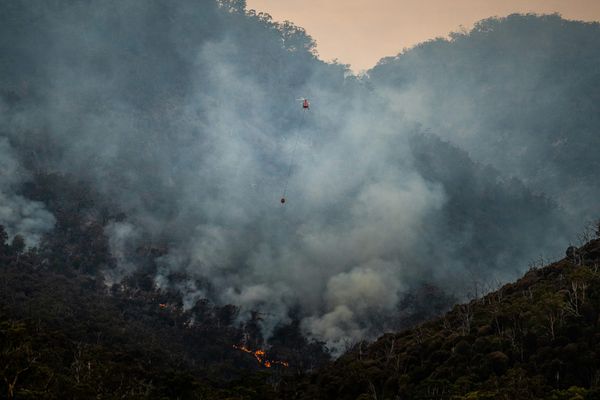
To produce a new climate in the ruins of the old, for ourselves and for the generations that will follow, we need a politics of climate repair.
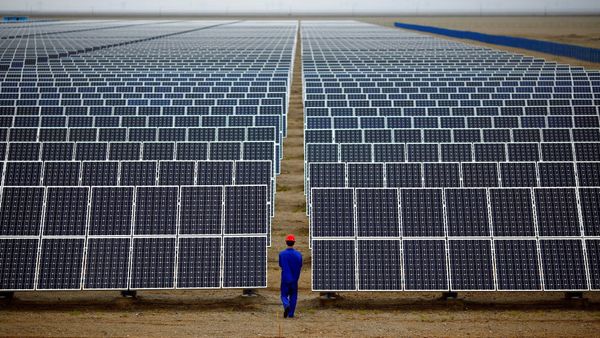
In the transition from fossil capital to electricity capital, the future that emerges will be determined by the fierce struggles of the present.
Get the latest posts delivered straight to your inbox.