

A Part, Not the Whole
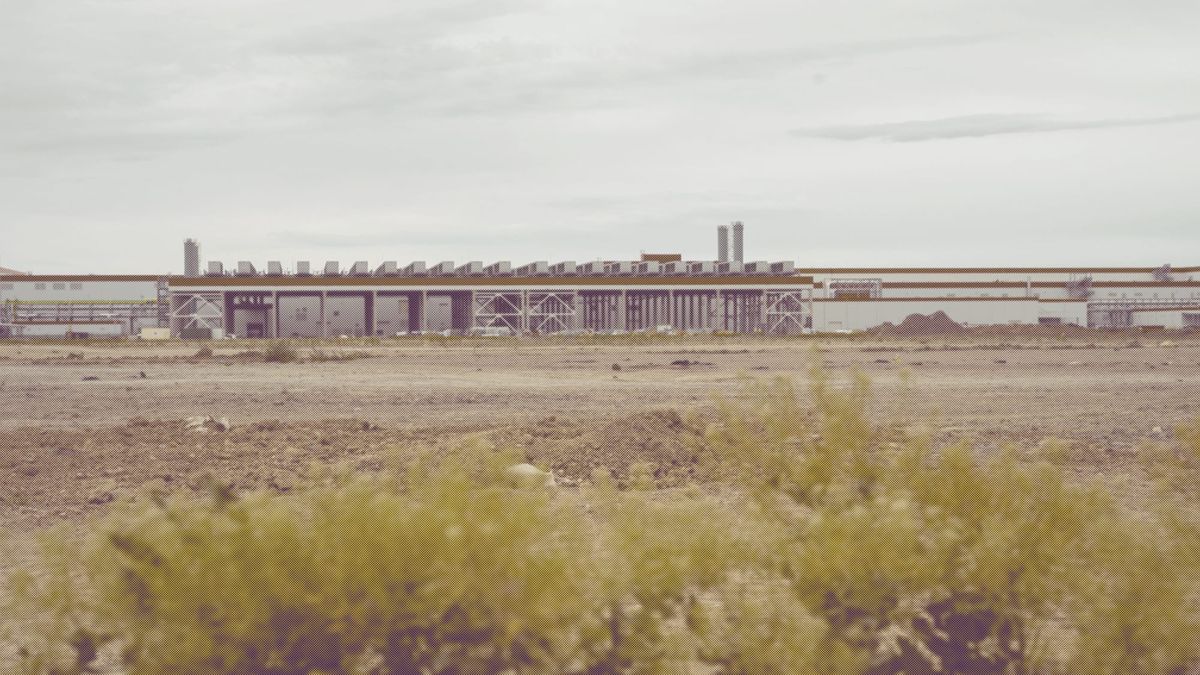
As we drive through the Southern Industrial Park on the outskirts of Debrecen, my guide, Éva Kozma, stops frequently to point out the buildings we pass. These have all had a role in turning Hungary’s second-largest city, tucked into its eastern corner near the border with Romania, into one of the key sites of Europe’s transition to electric vehicles (EVs).
There, she points, is Halms Hungary, a Chinese-owned subsidiary of Zhejiang Huashuo Technology, which manufactures aluminium components like engine covers, gearboxes and inverter housings. Around the corner is EcoPro, a South Korean company that produces cathode materials for lithium-ion batteries, while nearby is SEMCORP, a Chinese firm that makes the thin, porous plastic sheet that keeps a car battery’s cathode from making contact with the anode—a vital component without which the battery could short circuit, generating extreme heat and resulting in smoking, fires or even explosions.
In fact, such is the volatility of the materials involved in battery production that the risk of a blast hangs over the manufacturing process. If an explosion happens, pollutants can rain down on the surrounding area, with devastating consequences. More likely, though, is the risk that the toxic substances used to manufacture the batteries—heavy metals like nickel, cobalt and manganese and the toxic solvent known as NMP—will quietly seep into the local soil and groundwater, poisoning the land.
“Every chemical is very dangerous in this area, and they are too close”, says Kozma, who lives in Mikepércs, a suburb of Debrecen that borders the industrial park. A few years ago this was all farmland. Then some 546 acres were sold to China’s Contemporary Amperex Technology Co., or CATL, the world’s largest maker of EV batteries. In 2025, CATL was responsible for nearly 40 per cent of the global EV battery market. The plant in Debrecen, the single largest greenfield investment in Hungarian history, will be CATL’s largest factory outside China—if it is completed.
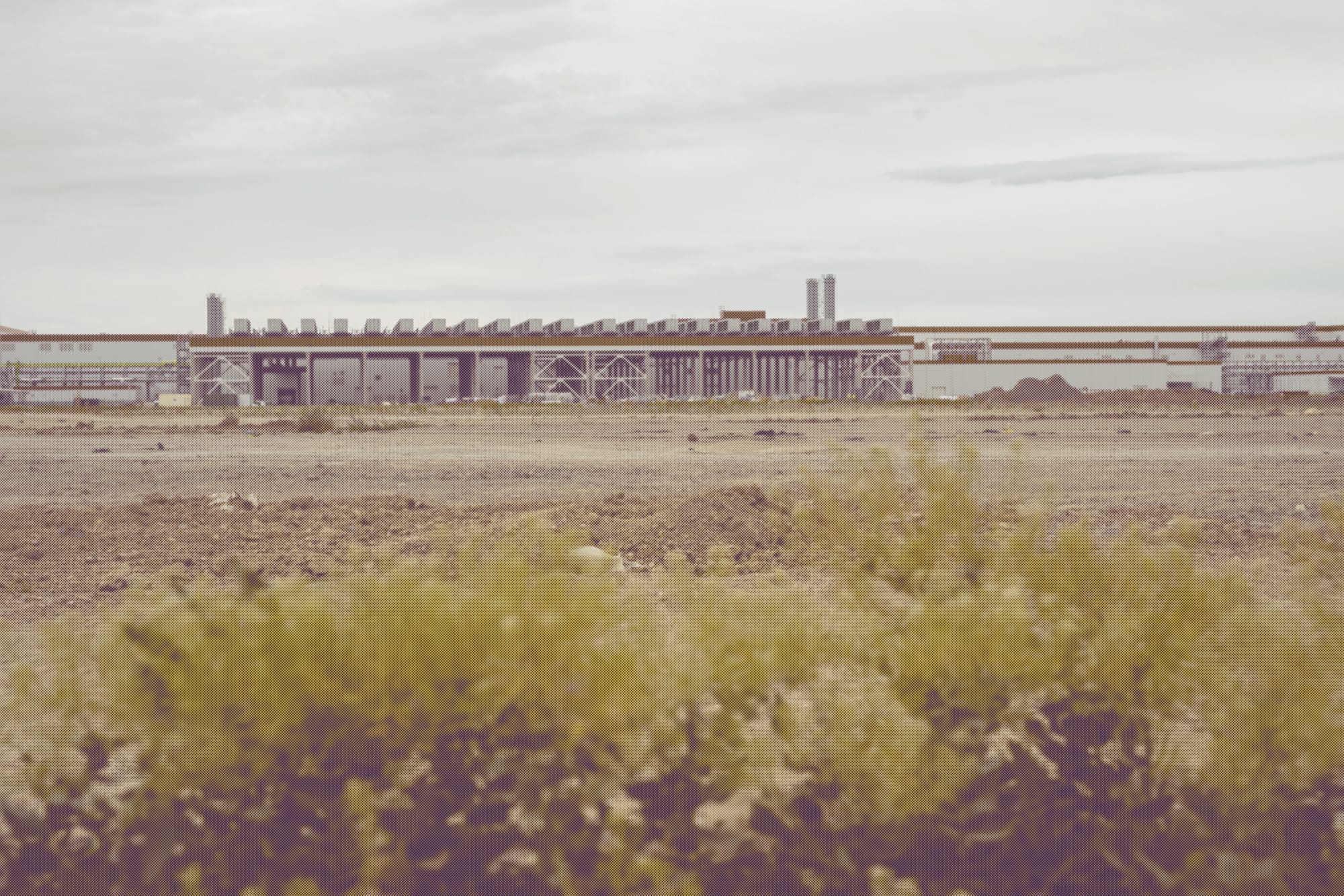
In 2023, Kozma helped found the group Mikepércs Mothers for the Environment, or MIAKÖ, to stop that from happening. The stance put the group squarely at odds with Hungary’s former prime minister, Viktor Orbán, who staked Hungary’s economic future on Chinese investment. The aim, he said, was to make Hungary into one of the world’s largest battery manufacturers.
Kozma believes that resistance from groups like hers helped tilt the April election that ended Orbán’s 16 years in power. MIAKÖ’s hopes now rest on Orbán’s successor, Péter Magyar, a former insider with Orbán’s political party, Fidesz, who founded and leads the now-ruling Tisza party. Magyar has pledged to regulate the battery industry more strictly.