

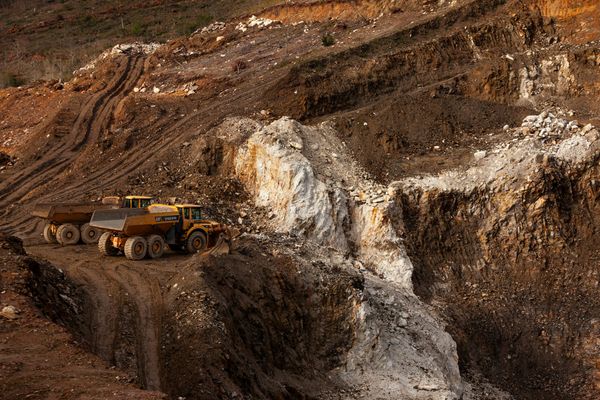
Where Capital and Nature Meet • Thea Riofrancos
Thea Riofrancos speaks to The BREAK—DOWN about the rise of the lithium industry, the geopolitics of extraction and the frontiers of green capitalism.
Thea Riofrancos speaks to The BREAK—DOWN about the rise of the lithium industry, the geopolitics of extraction and the frontiers of green capitalism.

In Brazil, big agribusiness holds the reins of political power. Without confronting this head-on, Lula’s ecological promises will remain just that—promises.
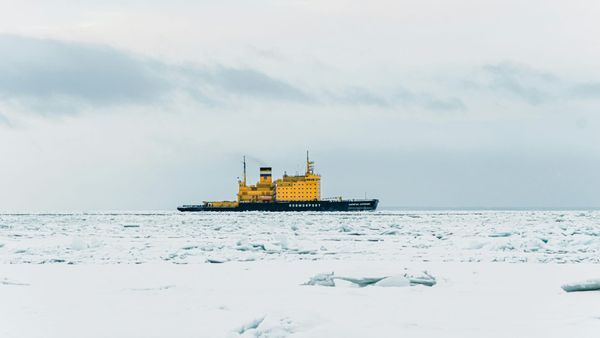
As temperatures rise and the Arctic thaws, capital is eyeing new opportunities: for extraction, for shipping and for extending a lifeline to business as usual.
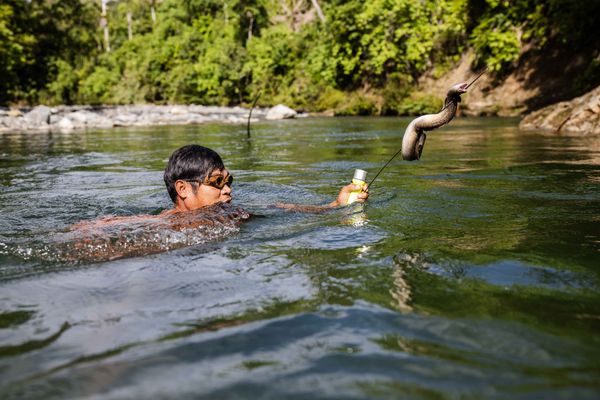
In Indonesia, nickel mining is booming as global demand for batteries surges. Its impacts—on workers, on communities and on nature—are deeply felt.

The greatest obstacle for the energy transition is not production or hard physical constraints—it is the skilled labour needed to transform our infrastructure and economy.

“Climate migration” defies clear definition, but as the impacts of climate change mount and politicians stoke anti-migrant hostility, the climate movement must meet this challenge head-on.
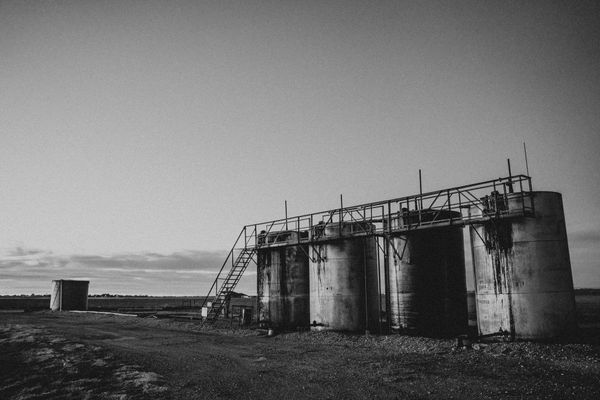
As the fossil fuel industry consolidates into an ever smaller number of vast firms, new strategic openings for disruption emerge.
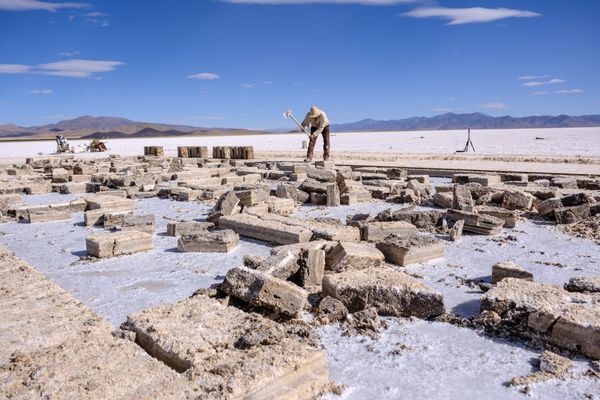
The Lithium Triangle, spanning Argentina, Bolivia and Chile, contains over half the world’s lithium reserves, essential for the energy transition. But mining here is fraught with human, cultural, political and ecological questions.
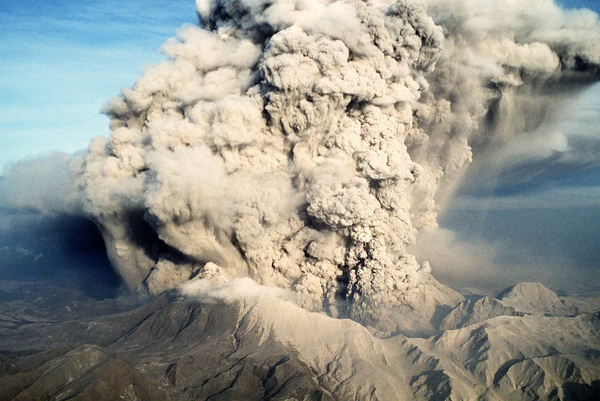
By evading questions about the social relations that underlie the climate crisis, space is being created for a dangerous idea: solar geoengineering.
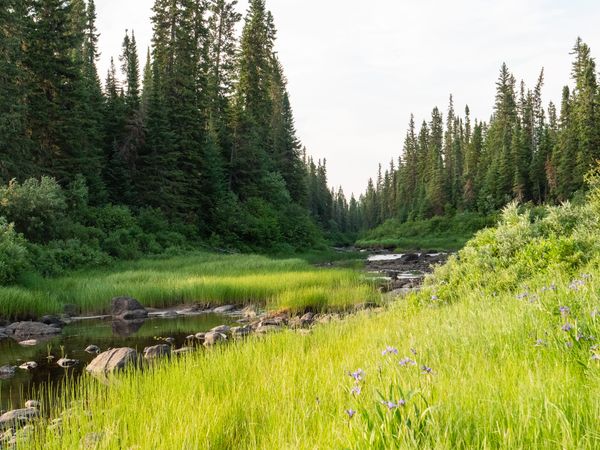
In northern Ontario, a region rich in mineral deposits has become a frontline in the fight for Indigenous sovereignty.
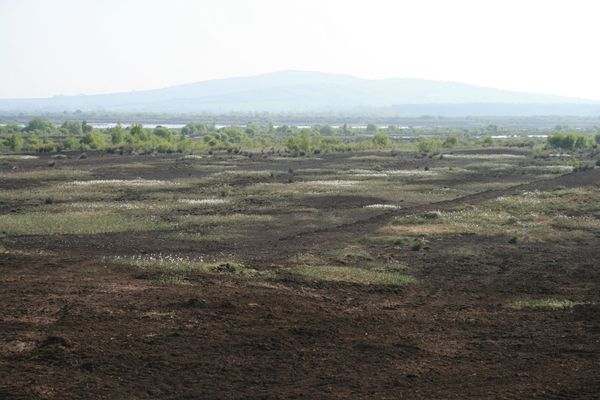
Ireland’s bogs were degraded by industrial exploitation. Today, they play host to a growing network of data centres. Can we reclaim them as commons, and restore their value—cultural, social and ecological—outside of capital’s logic?

The far right has long portrayed itself as the defender of a pristine nature against urban corruption, but its history in the British countryside tells a far more complex story about nationalism and rural life.