


All That Is Solid • Adrienne Buller, John Merrick
Introducing Issue #3: AIRBORNE
Introducing Issue #3: AIRBORNE
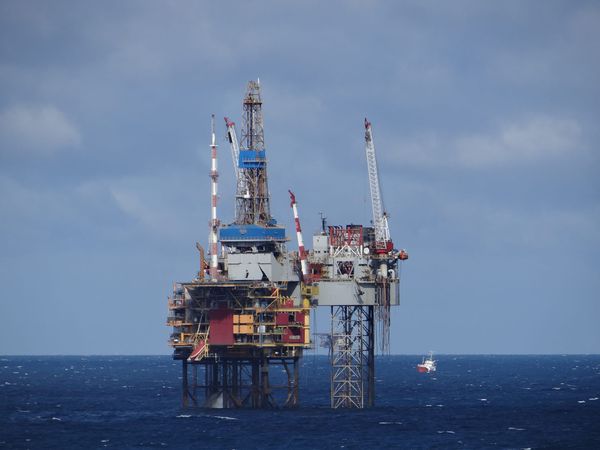
Fantasies of Britain’s past continue to shape the country's energy politics and illusions.

Reform UK’s fossil fuel nationalism may be a fantasy, but it exploits the very real contradictions of Britain’s energy transition.
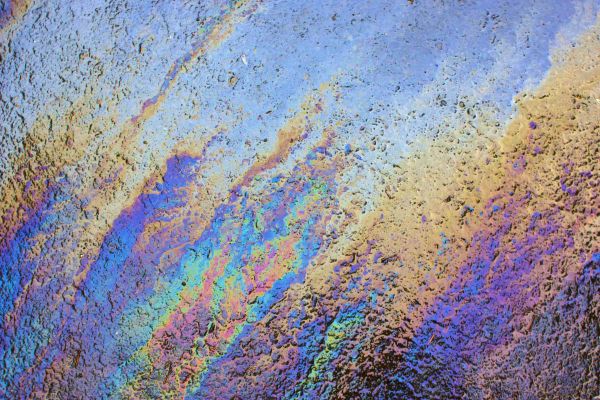
Responses to the American-Israeli war on Iran.

Responses to the American-Israeli war on Iran
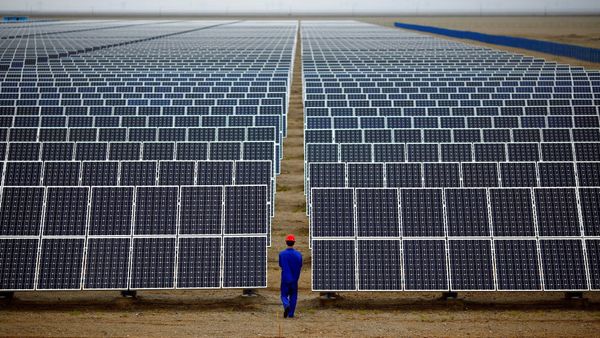
In the transition from fossil capital to electricity capital, the future that emerges will be determined by the fierce struggles of the present.
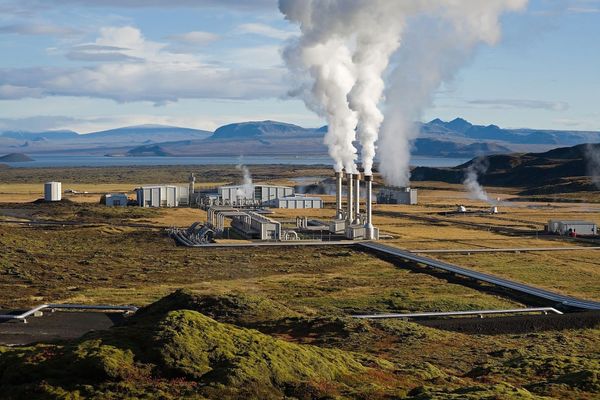
The story of climate action is one of peaks—promised, assumed or still to come.

The unraveling of Britain’s largest water utility is not just a scandal. It's a case study in how privatized systems strain under climate pressures, aging infrastructure and the limits of market governance.

During the climate endgame, our survival hinges on rebuilding the systems of interdependence that make life in the ruins possible.

Stuart Hall’s politics of culture offers the left a blueprint for confronting the climate crisis.

In Argentina, economic chaos and political upheaval expose how the IMF's promise of stability has become an instrument of managed decline.

The Ring of Fire development is a social and environmental calamity dressed up as economic necessity—and a continuation of Canada's long colonial history.