Episode 2: A (Not So) New Gold Rush
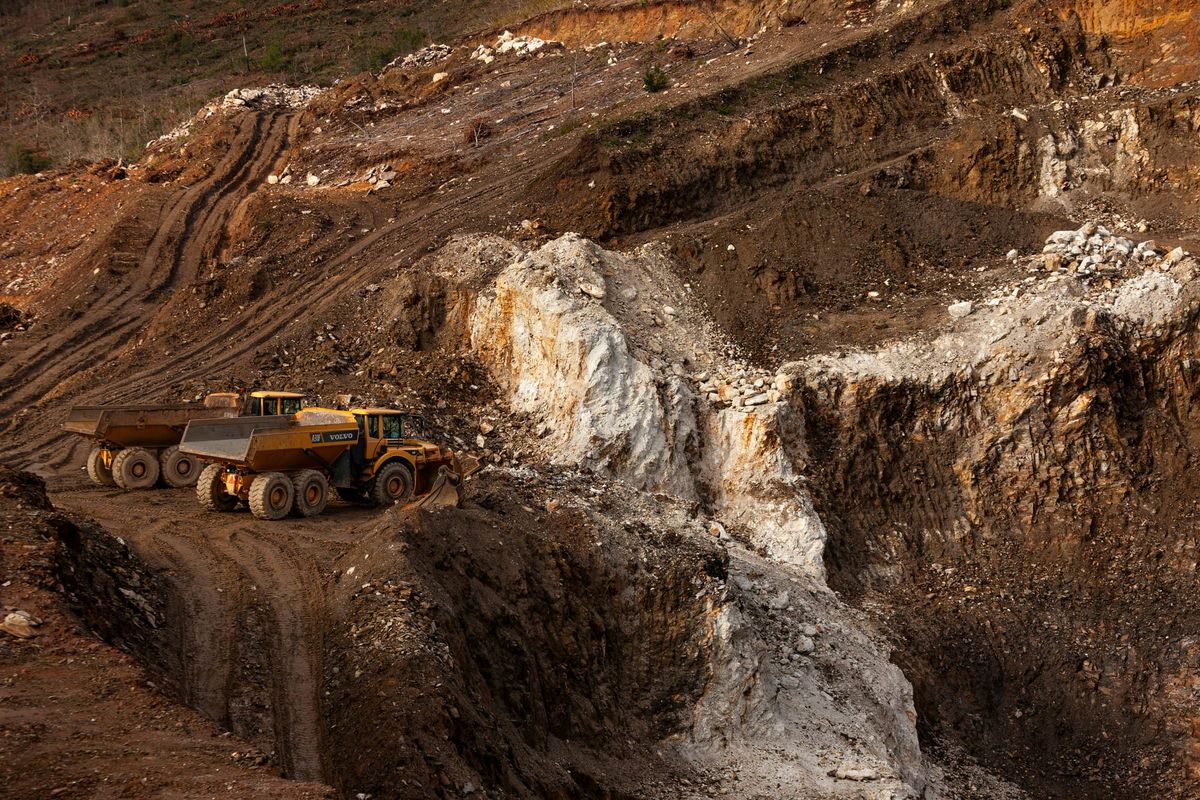
The term “critical minerals" suddenly seems to be all over the headlines. Securing access to this group of commodities, from familiar metals like lithium and copper to more obscure “rare earth elements” like yttrium, appears to be a growing priority of world leaders—particularly for those who consider China, currently the world's main producer of most critical minerals, a threat.
But what exactly what makes these commodities so “critical” in the first place? Who defines them as such, and who benefits from that decision?
In fact, whether a mineral is “critical” depends on who you ask, and what their strategic priorities are—whether that's producing electric vehicles, fighter jets, or AI infrastructure.
Importantly, extracting these minerals has profound human and ecological impact. This is what makes their governance so challenging: because even in many green utopian visions of the future, with a world powered by renewables and running zero carbon transit, there’s no side-stepping either the need for these minerals, or some of the harms involved in their extraction. What, then, can be done?
How should we understand the sudden push to control critical mineral supply chains? What is their role in competing visions of the future? How might we reduce the harms of extraction? And can there ever be an approach to extraction that is genuinely just or “sustainable”?
To answer these questions, in this episode we're joined by Thea Riofrancos and Emily Iona-Stewart.
Thea Riofrancos is Associate Professor of Political Science at Providence College and author of Extraction: The Frontiers of Green Capitalism.
Emily Iona-Stewart is Head of Policy and Advocacy at Global Witness.
 Thea Riofrancos